Alcohol is socially accepted, widely advertised and frequently misunderstood. The message is clear: when it comes to health, less alcohol is better—and not drinking is the safest choice. The important is to “Know the risks, Recognise the warning signs and Act early”.
Alcohol occupies a curious place in society. It accompanies celebrations, business meetings and social gatherings, while its harmful effects are often discussed only when someone develops dependence or advanced liver disease. Between these two extremes lies a substantial and frequently overlooked burden of ill health.
Alcohol is not merely a beverage. Ethanol—the active ingredient in beer, wine and spirits—is a toxic, psychoactive and dependence-producing substance. According to the World Health Organization, alcohol was responsible for approximately 2.6 million deaths worldwide in 2019, accounting for 4.7% of all deaths. It is associated with more than 200 diseases, injuries and other health conditions.
Alcohol affects the whole person—not only the liver
The liver processes most of the alcohol entering the body and therefore bears a major share of the damage. Regular drinking can cause fat to accumulate in the liver, followed by inflammation, scarring and, eventually, cirrhosis. Some people remain free of obvious symptoms until the disease is already advanced.
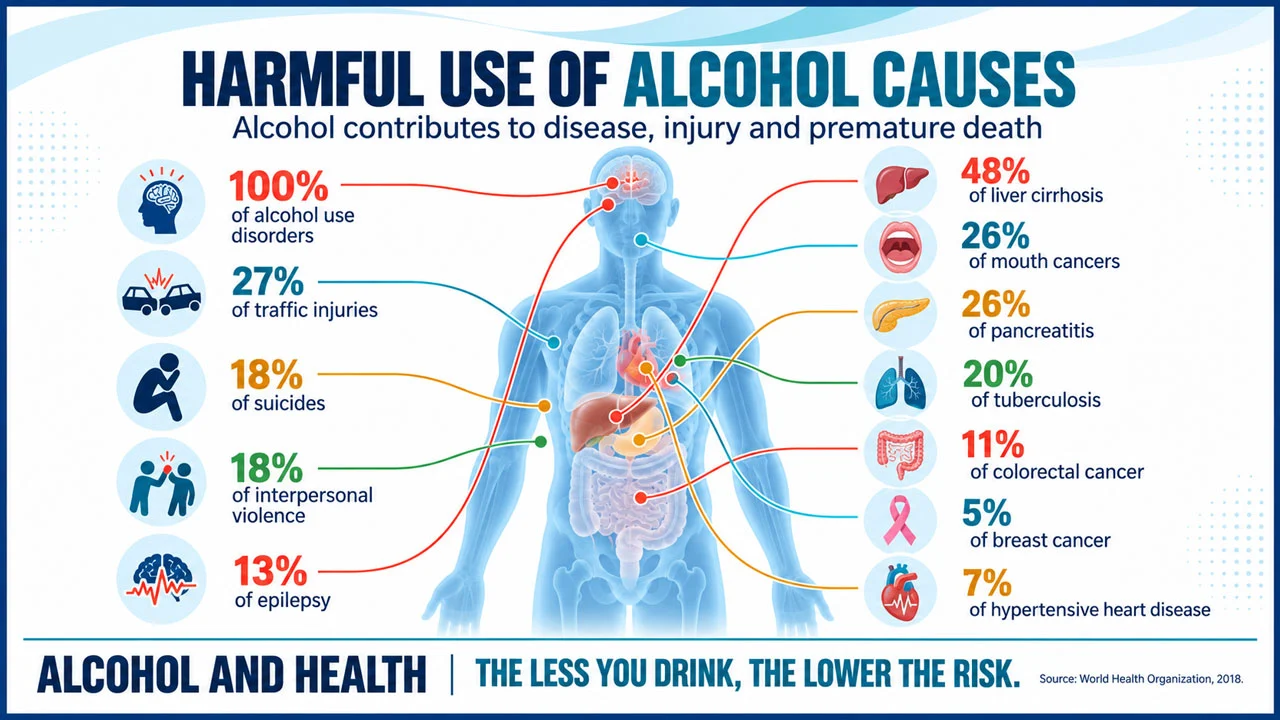
Alcohol-related fatty liver may improve after drinking is stopped. However, continued alcohol consumption can lead to alcohol-associated hepatitis—a potentially severe and sometimes fatal illness—or permanent liver damage. Alcohol can also accelerate liver injury in people with obesity, diabetes, viral hepatitis or metabolic fatty liver disease.
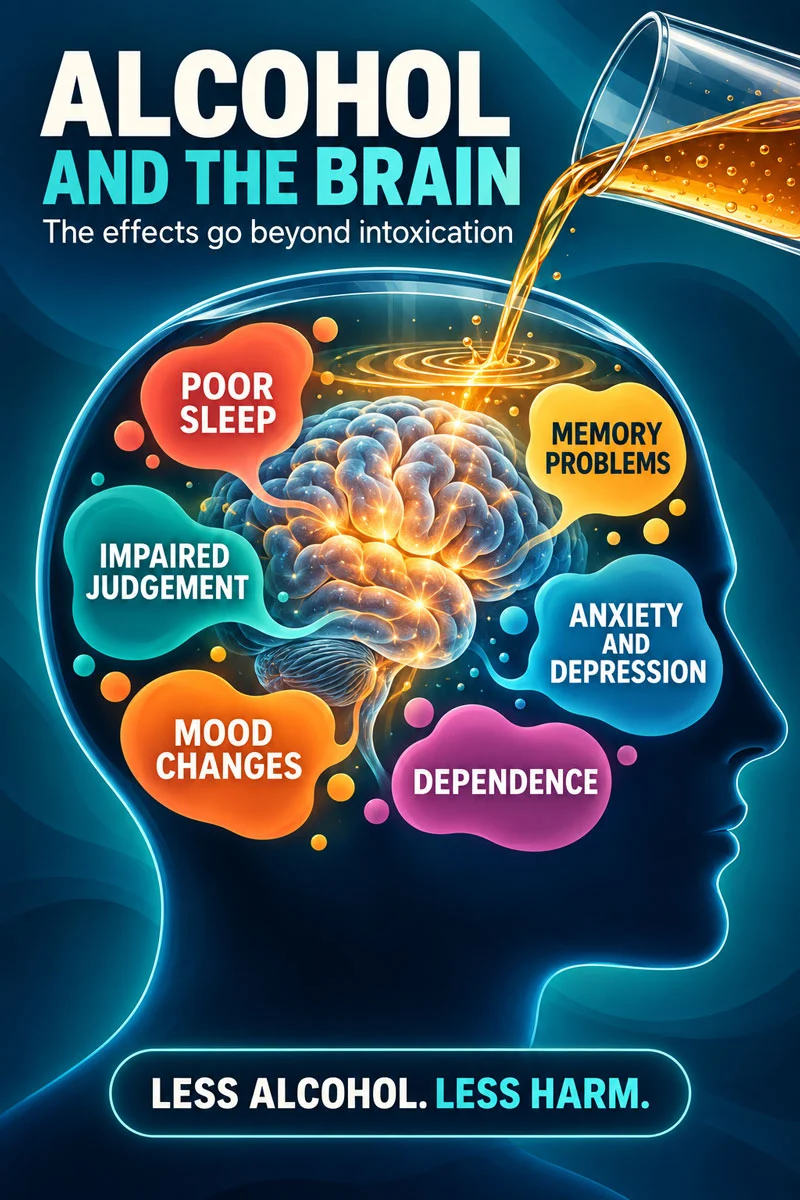
The harm does not stop at the liver. Alcohol affects the brain, heart, pancreas, digestive system and immune system. It can contribute to high blood pressure, abnormal heart rhythms, stroke, pancreatitis, disturbed sleep, anxiety, depression, memory impairment and sexual dysfunction.
Alcohol consumption also increases the risk of falls, road crashes, violence, unsafe sexual behaviour and self-harm. Alcohol can harm the developing baby during pregnancy and should never be consumed before driving, operating machinery or performing safety-sensitive work. It may also interact dangerously with several commonly used medicines.
What about the supposed benefits of moderate drinking?
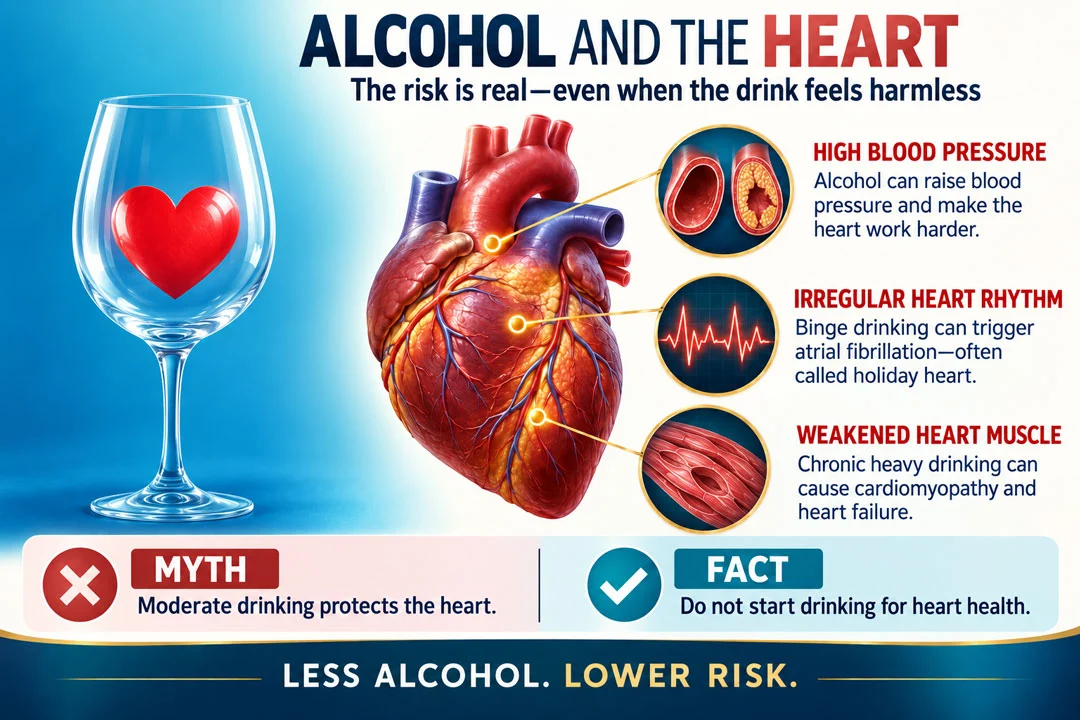
For years, a daily glass of red wine was promoted as being “good for the heart.” That message is now being reconsidered. Some earlier observational studies did not adequately account for differences in diet, physical activity, income, access to healthcare and pre-existing illness between drinkers and non-drinkers.
No one should start drinking alcohol to protect the heart. Regular physical activity, a balanced diet, healthy body weight, adequate sleep, smoking cessation and proper management of blood pressure, diabetes and cholesterol provide much safer and better-established cardiovascular benefits.
Drinking patterns matter—not just the weekly total
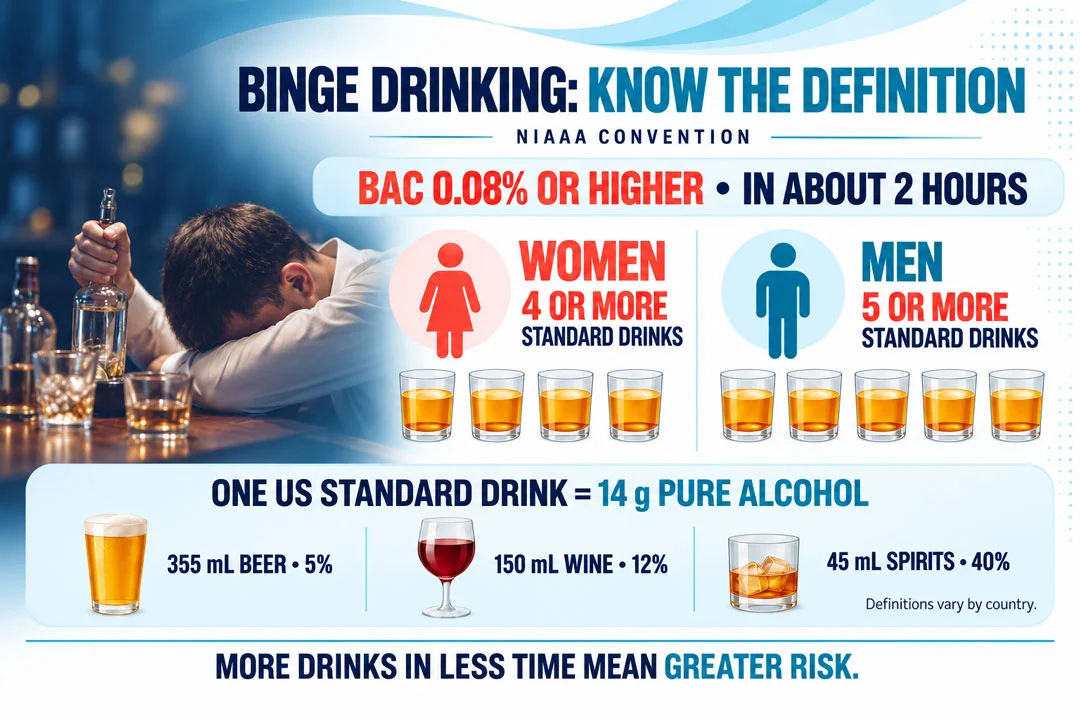
Consuming several drinks over a short period is particularly dangerous. Binge drinking can cause alcohol poisoning, vomiting with aspiration, abnormal heart rhythms, injuries, violence and road accidents. A person who avoids alcohol during the week but drinks heavily over the weekend is not protected from harm.
Home-poured drinks may contain much more alcohol than expected. Country liquor and other unregulated products pose additional dangers because their alcohol concentration may be uncertain, and they may contain toxic contaminants.
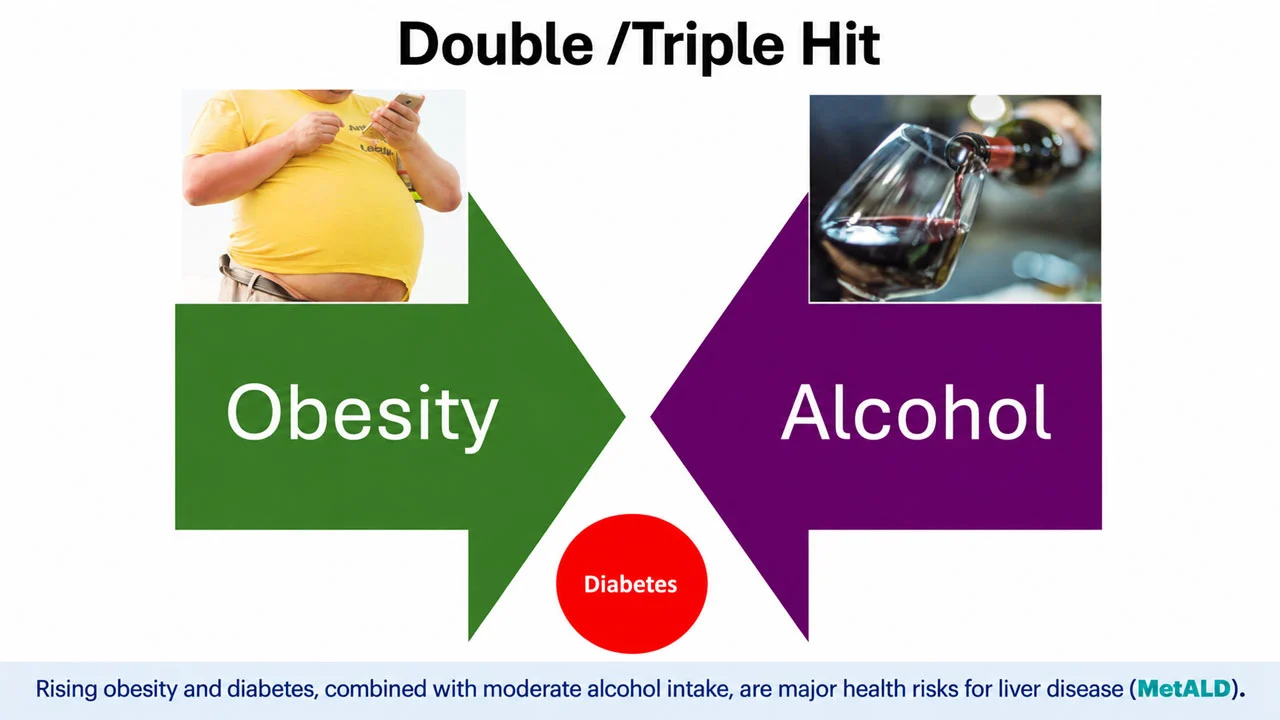
Alcohol also provides “empty calories”—calories with little or no nutritional value. It can promote weight gain, raise triglyceride levels, disturb glucose regulation and worsen metabolic fatty liver disease. The combination of alcohol consumption, obesity and diabetes can be particularly damaging to the liver.
Who should avoid alcohol completely?
People who do not drink should not be encouraged to start. Those who consume alcohol should understand that reducing both the amount and frequency can lower—but not eliminate—the associated risks.
Alcohol should be avoided completely by:
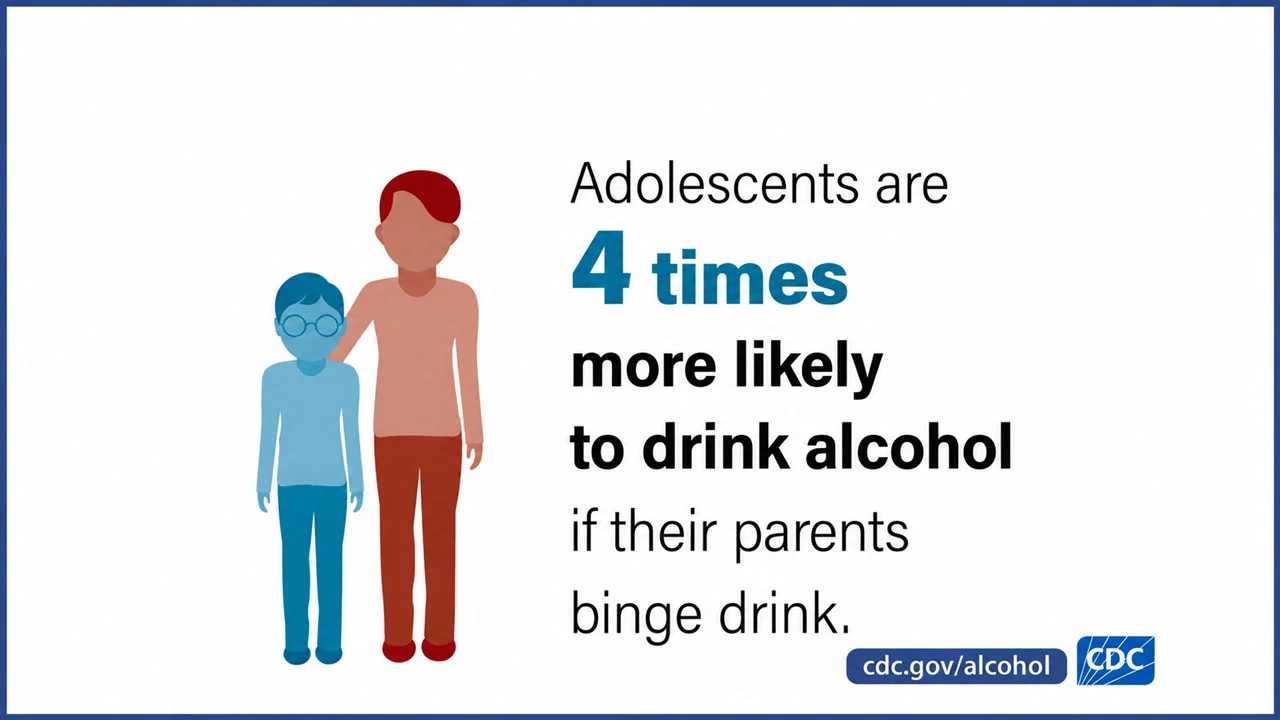
- Children and adolescents
- Pregnant women and those planning pregnancy
- Anyone who must drive, operate machinery or perform safety-sensitive work
- People with liver or pancreatic disease
- People taking medicines that may interact with alcohol
- Anyone with a history of alcohol dependence
- People who cannot reliably control how much they drink
Recognising when drinking has become a problem
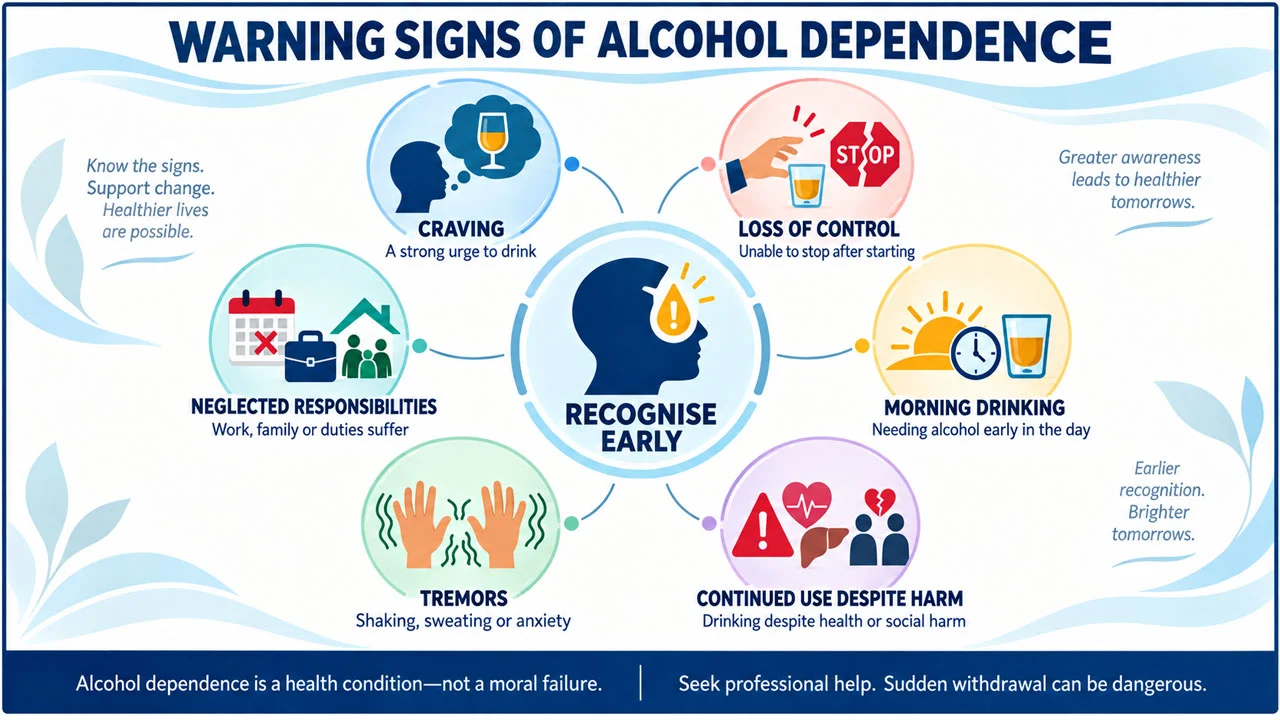
Alcohol dependence does not always appear dramatic. Warning signs include:
- Frequent cravings for alcohol
- Needing progressively larger amounts to achieve the same effect
- Being unable to stop after one or two drinks
- Drinking alone or secretly
- Neglecting family, work or social responsibilities
- Experiencing conflict at home or in the workplace
- Continuing to drink despite medical, psychological, social or financial harm
Morning drinking, hand tremors, sweating, anxiety, disturbed sleep, hallucinations or seizures after reducing or stopping alcohol may indicate physical dependence. People experiencing these symptoms should not stop drinking abruptly without medical supervision, because severe alcohol withdrawal can be life-threatening.
Alcohol-use disorder is a health condition—not a moral failure. Effective help is available through medical assessment, counselling, behavioural therapy, family support, treatment of associated mental-health conditions and, when appropriate, medication.
Compassion encourages people to seek treatment; shame drives the problem underground.
A healthier perspective and a more honest conversation
Public discussion about alcohol must move beyond the simplistic labels of “social drinker” and “alcoholic.” Kindly ask yourself How much alcohol is being consumed? How frequently? Is control being lost? Is drinking affecting physical health, mental well-being, relationships, work, finances or personal safety?
Governments and communities also have an important role. Clear health warnings, restrictions on advertising directed at young people, strict enforcement of drink-driving laws, evidence-based pricing policies and accessible treatment services can reduce alcohol-related harm.
At the individual level, the message need not be complicated: Do not start drinking for presumed health benefits. If you drink, drink less and less often. Avoid binge drinking. Never combine alcohol with driving. Seek professional help early if controlling your drinking becomes difficult.
A toast may last only a few minutes, but its health consequences can last much longer. In matters of alcohol, informed choices today can protect the liver, heart, mind and family for years to come.
Disclaimer: This article is intended solely for public education and awareness. It is not a substitute for medical advice, diagnosis or treatment. Alcohol-related health problems and alcohol withdrawal require appropriate assessment, expert guidance and medical supervision. For further information, contact: ashokliverdoc@gmail.com.